Sydney – Part III

Our third day in Sydney consisted of a bit more of the wildlife that Australia has to offer, so I’ll call it our Wildlife Day in Sydney.  We made our way down to Darling Harbor where you’ll find a wealth of restaurants and museums.  On a nice day, like Circular Quay, it’s a great place to just sit and people watch as most of the eateries offer outside seating/seating that looks out onto the water.  Here’s what the day looked like.

What we did

SEA LIFE Sydney Aquarium

In Darling Harbor there’s a weird cluster of buildings that house the Aquarium, Wildlife Zoo (I’ll touch on this one next), and Madame Tussauds Wax Museum (skipped this because we’ve been to a few in other cities).  Of these three, I think the Aquarium is the only one really worth going to.  At first glance, you don’t think it’s that big.  But as you take the long ramps down there are very sizable tanks that house some amazing fish.  Easily the highlight of the aquarium are the tunnels.  The tunnels run through the tanks and have a glass ceiling that is about a 200 degree arch.  There you can get really up close with some sharks, stingrays, and some friendly and ginormous Dugongs (similar to manatees).  There are several other smaller tanks where you can see jellyfish, giant crabs, and a tank where you can touch various sea life creatures such as starfish.

This slideshow requires JavaScript.

WILD LIFE Sydney Zoo

This zoo is actually adjacent to the Aquarium and I would say is probably not totally worth visiting.  Admittedly, we didn’t time our day right as we wanted to go to the much more famous Taronga Zoo, but it was too late into the afternoon by the time we wanted to get there to make it worth it (it’s a bit of a bus ride outside the city).  So we just settled on the zoo in Darling Harbor.  Now this zoo isn’t horrible, there are actually some pretty good ranger talks that we took advantage of at the kangaroo, crocodile and koala dens.  And the crocodile, named Rex, is a ridiculously large 6 meters and a neat animal to see up close.  My sister also really wanted to cuddle with a koala, but unfortunately in Sydney that’s now illegal or something, so you can only get a picture standing next to it (at a price of course).  Which is one of the main reasons why I’d say to skip the WILD LIFE Sydney Zoo.  The Taronga (even though we didn’t go) I heard is much larger and has more species of animals on display.  Also, if you go to different parts of the country, the laws there are not the same so eventually my sister did get that picture with her actually cuddling the bear.  So save a few bucks on the Sydney zoo and go to Taronga and/or if you’re looking to get a picture with a koala, pay for one where you get to hold the damn thing.

This slideshow requires JavaScript.

Paddy’s Market
Market City
Cnr Hay St & Thomas St
Sydney NSW 2000

If you want to do some good souvenir shopping, Paddy’s Market is the place to go.  It’s really similar to the Cusco Artesian Market in Peru, where you can buy all sorts of trinkets, clothing, food, whatever for yourself or the folks back home.   They don’t really bargain as much at Paddy’s, but the prices are pretty low regardless.  The funny thing about Paddy’s is while the bottom floor is a flea market, if you take the escalators up, on the second floor is a legitimate, modern looking mall.  There you can find retail stores and a food court.

Bondi Beach & Coastal Walk

Bondi beach (pronounced “bond-eye”) is the premiere beach in Sydney that most of the locals and tourists flock to in the hot summer months.  It’s a bus ride away from the center of Sydney and only takes around 20-30 minutes to get there.  Shops and restaurants line the road along the back of the beach and you can grab ice cream, swimwear, sunblock, anything you’ll need for the beach.  Because of the rainy weather though, we didn’t do much suntanning or swimming.  We did however partake in the coastal walk the runs along four of the beaches starting at Bondi.  The trail takes about two hours round trip to walk, and is a great way to see the coast, a few of the other beaches, and get some great shots of the Pacific Ocean.  Hopefully if you go to Australia, you’ll be able to soak in some sun more than us.  Tip: The public bus does go there.  You can take either the 333 or the 380 bus.  Take the 333 – it takes more of an express route and doesn’t make as many stops as the 380.

Where we ate

Sydney Fish Market

Ironically, after the aquarium, we were in the mood for some fish for lunch, so we took a walk to the Sydney Fish Market.  Unless you’re in Sydney for more than just a few days, this really isn’t worth seeing.  It’s a giant warehouse, and it is bustling, but there’s no wow factor or anything.  There’s just a bunch of stores selling fish, and while it’s cool to see so much of it in one place, it’s not anything you’d can’t see in most cities in the US.  We went to a sushi kiosk for food, and while it was good, it wasn’t great.    On a nice day though, I could see how locals, and visitors who are in Sydney for an extended period of time, would enjoy walking down there, buying some fish, and having a seat at the big picnic area along the water.

Spice I am – Surry Hills location
90 Wentworth Ave
Surry Hills Sydney 2010
CASH ONLY

Now this is the solid Lonely Planet place that we thought Din Tai Fung was going to be.  Small, local, with a group of people waiting on the sidewalk to get in, Spice I am has some pretty good Thai food that is relatively affordable for Sydney (though, the $3 for a bowl of rice really pissed me off).  The panang chicken I had was very spicy, but had very good flavor to it.   Because of the size of the place, the restaurant moves fast, so I wouldn’t go there looking for a long leisurely meal.   Full disclosure, I didn’t realize there were a few locations in Sydney until I looked up the URL for this blog.  Looks like their other locations are bigger, so those branches might be a little more casual.

Blackbird Cafe
Balcony Level
Cockle Bay Wharf Harbour Street
Sydney NSW 2000

After walking up and down Darling Harbour, we wanted to grab a bite to eat at a place with a view of the water.  We saw the menu of this place along the sidewalk, and it looked like it had a pretty good, standard selection.  The cafe was on the second floor, so from the ground we couldn’t really see inside.  We walk up and, BOOM, it was like we walked into a club.  It was loud, boisterous and full of 20-somethings enjoying themselves.  My first reaction was, “The food here isn’t gonna be good” as I assumed it was a place more for drinking than eating.  But we sat anyways because the hostess brought us to a table on the balcony with a great view of the water.  Our waitress was super friendly (she told us she was English and had been living in Australia for 3 years), and fast bringing us our food and drinks. I was pleasantly surprised when the food arrived.  The chicken burger I had was really, really good.  The other dishes my family members got were apparently very delicious as well (I didn’t get to sample them).  We chatted a little more with our waitress and she said all the food in Australia is pretty solid.  She said compared to other countries (specifically England), Australians really take good care of themselves and eat a lot of organic foods without a lot of fat or frying oils, and that included random club bars where you wouldn’t expect that.  Still, if you have little kids with you or grandparents, I wouldn’t go to Blackbird.  Otherwise, it’s a good place for a fun atmosphere, good view, and lots of drinks.


 “Australia from Beth”

-Take a day trip to Palm Beach. It’s Sydney’s most northern beach and it is beautiful and has great views by the lighthouse. This is where the Aussie show Home and Away is filmed.

-Roar & Snore at Taronga Zoo is incredible http://taronga.org.au/taronga-zoo/accommodation/roar-snore-more-information.  It is pricey but one of the coolest things I got to do in Australia. You get a private nighttime safari, great food, behind the scenes experiences (feed a giraffe, go into the chimp building), and you get to sleep over at the zoo in a tent/cabin overlooking the entire city skyline. Seriously amazing.

-DO NOT take the Pride of Airlie boat to see the Whitsunday Islands. I might have just had a terrible boat captain but it was the least enjoyable tour I went on. Research tour/boat options, there are tons leaving from Airlie Beach.

-DO NOT fly with Tigerair. They are a budget airline but are extremely strict on baggage weight and other small print items. I ended up having a sort of yard sale at the Melbourne Airport giving away all of my toiletries to reduce my baggage weight and avoid checking my bag for $100. They are notoriously sticklers.

Melonhead at Coogee Beach (pronounced “Could-gee”) has the best smoothies in Sydney and great sandwiches too with reasonable prices.


Sydney – Part II

As I said, our second day was much more productive after a decent night sleep.  We woke up quite early and grabbed a coffee by a nearby cafe (Australians love their coffee) and set off to do a circuit of museums before embarking on one of the highlights of Sydney – the BridgeClimb.  Here’s a breakdown of the activities of this day.  Forewarning, I’m not kidding when I said we did a lot this day, so this blog post will be a tad longer than usual.

What we saw

ANZAC Memorial
Hyde Park, Sydney
Admission is free

This ANZAC Memorial (ANZAC stands for “Australian and New Zealand Army Corps”) was actually supposed to be a quick time killer while we waited for the Barracks Museum (discussed next) to open.  To our surprise, this memorial/museum ended up being one of the most interesting stops in Sydney.  It’s at the south end of Hyde Park, you really can’t miss it, and it’s well worth a visit.  The memorial itself is simple with only a Hall of Memory, Hall of Silence, and Well of Contemplation and the words on the ground simply say “Let silent contemplation be your offering”.  On the exterior, in a place generally where you’d find gargoyles at an old church, there are sculptures of different types of ANZAC soldiers such as doctors, engineers, infantry, sailors, etc.  On the bottom floor of the memorial is actually a free museum.  The museum provides a really interesting view of the life of an ANZAC soldier throughout history (the WWII stories were of particular interest), along with personal stories, letters and other personal effects.

Hyde Park Barracks Museum
Queens Square, Macquarie Street
Sydney, NSW 2000

After the ANZAC Memorial we made our way through Hyde Park, which is a lovely walk on a nice day, to the Barracks Museum.  The price to get in is $10, but if you’re planning on doing two or more of these select museums — Barracks Museum, Museum of Sydney, Justice and Police Museum, or Susannah Place Museum — I’d recommend getting the Sydney Living Museums pass which is $18.  The Barracks Museum gives a really nice history of how Australia started off as essentially a convict’s island and how the community built up from there.  The building itself gives a look at living conditions back in those days and is surprising interactive, allowing visitors to try on different types of clothing, or take a nap in a colonial bed or convict hammock.  The free audio guide is a nice plus as well.  Pretty neat experience.

Museum of Sydney
Cnr Phillip and Bridge Streets
Sydney, NSW 2000

Tell you something; I didn’t love this museum and probably wouldn’t recommend it.  Yes, it gave us a look at some more history of Sydney, but it only really touched upon things here and there (no pun intended).  The historical bits weren’t anymore in-depth than the travel guides we had.  There were two bigger exhibits, one of which was a giant room where kids could play with Legos (admittedly pretty cool, but that did cost extra) and an exhibit on a couple of Australian architects who I never heard of with displays of their work, which if you’re into architecture maybe that’d be cool for you.  There was however a cool theater in the museum which we sat in showing old 1940s documentaries on several things in Sydney, such as the building of the Harbour Bridge and such.  But if you’re only in Sydney for a few days, I’d spend the time you’d spend here on something else.

The Rocks Discovery Museum
Kendall Lane, The Rocks (enter via Argyle Street)
Sydney, NSW 2000
Admission is free

This is another free museum we went through on the way to the BridgeClimb.  The museum is quite small, but it’s free so it’s a nice little place to stop in and see a little history about The Rocks area of Sydney and a learn a little more about the indigenous culture.   One thing that really stood out about their displays was that the artifacts were in glass cases that also acted as touch screens.  It was pretty neat, looked like something out of Star Trek.  Outside the museum, you can find a lot of little shops and cafes that line the cobblestone streets.

BridgeClimb

This was the highlight of the day, and one of the signature activities to do in Sydney.  The BridgeClimb takes you to the top of the Sydney Harbour Bridge for some great views of the city and for bragging rights to say you hiked up to the top of the most iconic structure in Australia (there are a number of celebrities that they have photos of at the top who’ve climbed it).  Now before you get any ideas, the walk up is not dangerous even though it seems like it might.  You’re harnessed in, so you would literally have to unhook your harness, hop over a rail at your elbow, and sidestep like 3 yards to fall off.  So don’t be too afraid to go if you’re someone who is a little afraid of heights.  The guides are all excellent, have a great sense of humor, and provide some really interesting facts about the bridge, city, and Australia in general on the walk up (you’re wearing headphones that are connected to the guide’s headset).  They offer walks at all points in the day, but it does get more expensive if you want to go at sunset and the price will vary depending on which arch you want to take to the top.  They also go up even if it’s raining, they do make you take a breathalyzer, and you can’t bring your own camera, so keep that in mind.  The day we went up it was cloudy and windy unfortunately.  That being said, there was something to the unpleasant climate that kind of added to the “coolness” factor of going to the top of the bridge — it felt more like an adventure.  I would definitely recommend checking it out (give yourself at least 3 hours in your day for it).

Sydney Opera House

So, there’s not a whole lot to say because we didn’t go in.  It’s a really neat building though, and you do kind of have to see it if you’re in Australia.  Unless you pay for a tour inside, or go in for a show, there’s not a lot to do outside the Opera House other than take some pictures and read about it in your guidebook.  Actually a lot of what we learned about the Opera House we got from the BridgeClimb guy.

Where we ate

Buckley’s
East Circular Quay
Suite 18, 7 Macquarie Street
Sydney, NSW 2000

We actually came here randomly because we were looking for a place to eat lunch that was near the Sydney Harbour Bridge before the climb.  It ended up being a great place.  It’s got good views of the harbour with a good amount of outdoor seating (like most of the restaurants along Circular Quay going up to the Sydney Opera House).  They have a good beer selection of their own brews (I had their Little Creatures Pale Ale), and the food is pretty decent.  The fish and chips I had were really tasty and unlike in the US and London, the dish is surprisingly not greasy.  There was also live music playing for entertainment.

Chinatown

Sydney’s Chinatown is certainly a hopping place, and the night we went it was super busy.  It really felt like a going out place for people in Sydney.  There was no shortage of places to get noodles, dumplings, etc.  The place we chose was called Super Bowl Chinese and we chose it because there was a line 15 minutes long, so we figured it had to be good.  And yes, it was good, and cheap in Australian standards (remember everything there is more expensive to begin with).  But it’s not anything better than a good Chinese restaurant in the US, so I would go scouting it out, but if you end up there it’s not bad.  Let me know if you find a really good place in Chinatown if you ever go and I’ll post it.   Also, we stopped by the Australian-Chinese Ex-Services Monument because it had a bit of personal significance for my family.  If you have a couple minutes, it’s on the edge of Chinatown on the way to Darling Harbour and something to check out real quick.


“Australia from Beth”

Sydney Wildlife Day Tours – If you’re looking to explore more in NSW, this is an excellent tour option. The Whale Watching Spectacular tour with John far exceeded my expectations. The day was packed with stops to interesting and unique Australian sites including Royal National Park, Jervis Bay, Fitzroy Falls, Kangaroo Valley, among others. John is extremely knowledgeable and offered plenty of facts along the way. He explained the meaning and significance of each place, which really added a lot of value to the tour. The van was extremely clean and comfortable and there were plenty of snacks and drinks throughout the day. John was very attentive and considerate; he was more than happy to answer questions or offer to take our photo in front of the beautiful places we were visiting. During our whale watching cruise, we saw a large pod of dolphins and two humpback whales, which was an amazing thing to see! Visiting Hyams Beach was definitely one of the highlights of the day, as it is one of the most beautiful beaches in the world.  I would absolutely recommend this tour to anyone visiting Sydney looking to see more of New South Whales. The South Coast is often overlooked by tourists coming to visit Australia, but it is truly a beautiful and unique place. John manages to show many of the highlights in this region while educating and keeping a comfortable pace throughout the day
Sydney – Part 1

You may or may not be aware, but Australia is in the middle of its summer around December, so when we arrive the country is in its nice and warm climate.  However, the same months that it’s in summer also happens to be the same months as its rainy season.  Sadly, during our time in Sydney it rained quite a bit.  This did not dampen the time there however; we just ended up spending a little less time at the beach.

Luckily Sydney offers plenty to do other than the beach (which we did visit at one point as you’ll read about later on), but the first day was spent getting our bearings and recovering from the jet lag a bit.  Before I get into our zombie day of walking around, I just wanted to point out one thing about the Sydney airport.  If you’re flying into the international terminal and want to get to the domestic terminal, you have to take a shuttle bus that costs $5.50.  We weren’t alone in our flabbergast as most of the other travelers commented with astonishment and a fair amount of cursing for the fee just to go from one terminal to another (and if you’re thinking about walking, it’s not possible).  So just a heads up.

So back to the summary.  We ended up wandering around to get a lay of the land.  My initial reaction to Sydney was this – it’s very similar to southern California.  That’s not necessarily a bad thing, but if you’re looking for something exotic when you’re traveling, don’t expect to get it from Sydney.  Like most metropolitan cities, Sydney has commercial buildings, shops, restaurants, museums, busy city streets, and some parks.  The best way I can put it is it felt a lot like San Diego.
Our hotel was located in a very good spot (see details below), and gave us easy walking access to most of the parts of Sydney that you’d want to see in a few days.  We also took the Sydney ferry from Circular Quay (pronounced “key” apparently) to Darling Harbor for only $6 — which, considering you pay $5 for a big bottle of water and $5.50 to go from a terminal to a terminal at the airport, is a pretty good deal.  The ferry ride offers stops along different points on the harbor and provides fantastic photo opportunities of the Sydney Opera House and Sydney Harbour Bridge.  Other ferries take you to places such as Manly Beach and other spots near the city.

Like I said, our first day was just random wandering so I’ll just give you details of where we ate and where we stayed, and get into the more specific sights later on.  It’s a miracle I’m even able to read my notes that I wrote on that day with my jet lag — they look like they were written by a gorilla on a trampoline.

Where we stayed

Travelodge Hotel Sydney
27 Wentworth Ave
Sydney New South Wales 2010
Australia

Not a bad place to stay, it was clean and relatively new.  It’s got a good location right near Hyde Park, close enough to all the sights, but not right on top of them so it’s nice and quiet at night.  One not so good thing (and this applies to pretty much all the hotels in Australia I think) — no free wifi; it costs $10 a day.  You do get 15 minutes free in the lobby every 24 hours though…

Where we ate

Din Tai Fung
Multiple Locations

Before we left for Sydney, we heard from lots of people that there is a really good Asian cuisine scene.  So, naturally for our first meal we wanted to try out some Asian food and we looked to our Lonely Planet guide for a lead.  It pointed us to Din Tai Fung, which they said was a great, affordable place for good dumplings that locals love.  Now in general, Lonely Planet usually suggests local places, backpackers venues, things of that nature when they give a one “$” rating.  So when we showed up at an outdoor mall housing Din Tai Fung, we were pretty surprised at how “chainy” it felt.  It wasn’t until later in the trip when I had wifi access that I was able to discover that, well, it was in fact a chain.  Regardless, the food there wasn’t bad, just not great.  The best offerings that they had were the soup dumplings, so I would stick to those, but even those weren’t the best I had ever eaten (that’s reserved for a few places in New York City’s chinatown).  They did have a quote from Anthony Bourdain up that said, “I’d travel halfway around the world for Din Tai Fung’s soup dumplings.”  Personally Anthony, I wouldn’t.

Macchiato
338 Pitt St.
Sydney NSW 2000, Australia

Here’s a place I’ll say to just do take out.  Don’t go there for table service.  The service there was horribly slow.  Yes, the waiter was friendly, but the service was so slow that whatever kindness the waiter had was kinda nulled out.  Yes, it was Christmas Eve, but the place wasn’t that busy (no busier than any typical weekend night), so I can’t really give that as an excuse either.  Our food, which was just a pizza, took an hour and a half to get to our table.  They had lost our order so had to put it back in once we reminded them, but to add insult to injury, the people who sat next to us, who showed up far after we were seated, still got their pizzas before us.   So why do I say just do take out?  Because the pizza I had once we did get it and ate at the hotel (we had them box it to go and to give a tiny bit of credit they gave us a 20% discount for the wait) was really, really good.  I had the Shanghai Pizza which consisted of roast duck, mushroom, snow peas, cashews, plumb sauce, and mozzarella.  It was delicious — I really can’t find anything bad to say about it.

So as you can see, there wasn’t a whole lot from Day 1, but Day 2 was much more productive.  And that’s coming up.

I have several friends who had visited or lived in Australia who provided advice on where to go, and what to do.  My one friend, Beth, who lived in Australia for a year, had her own experiences which she emailed to all her friends and gave me permission to add to my blog posts.  You can never have too many opinions when it comes to travel, and like I’ve said many times, this blog is meant to be as much for you as it is for me.  So at the end of my Australia posts, I’ll be adding Beth’s tidbits in “Australia from Beth”.

“Australia from Beth”

http://surfcamp.com.au/ (creatively named Surf Camp Australia). I did the five day “Ultimate Experience”. I would absolutely recommend it! I stayed at Wake Up hostel in Sydney and the bus for surf camps leaves straight from the hostel. The camp itself is situated in a trailer park oddly enough, but it has it’s own vibe with cabins of I believe 8-10 people and a separate bathroom block with showers/toilets. The common area is all outside; basically just rows of picnic tables and a TV that is constantly streaming cool surf videos. This is where the groups meet to talk/learn about surfing, eat, socialize, etc. It’s a very bare bones place, but you don’t need much because you’re spending most of the time at the beach or eating/drinking/playing games in the common area. Curfew is a strict 10pm because the camp is in a residential area, but everyone leaves to drink at the beach beyond that time. On a clear night you will see more stars than you can in the wilderness in Wyoming, they are absolutely stunning. I made a lot of friends here that I still keep in touch with (I was the only American strangely enough out of close to 100 people).  $100 and everything is included (food, lodging, beach, etc.)

Note: Unfortunately, it was cloudy our first day.  Better pics and weather for the next galleries.

This slideshow requires JavaScript.


Quick Hits – Newport Channel Inn

Newport Channel Inn
6030 W. Coast Hwy
Newport Beach, CA 92663

During one of my work trips to the west coast, I had a chance to partake in a little beach time on the weekend.  My friend and I decided to head down to Newport Beach to get away from the hustle and bustle of downtown LA.  My friend found the Newport Channel Inn for the night we stayed.  It’s located about a quick 5-minute walk from the beach and was a great deal at $159 a night (Note: This was the AAA rate, it would have been $169 otherwise.  Prices do vary as well depending on the weekend).

For a little motel on the side of the road, this little inn is a great value and a very good option if you’re staying in the area.  As I mentioned before the walk to the beach is 5 minutes, and you’re a 15 minute drive or less to the mall, Crystal Cove State Park, and plenty of restaurants.

Not only is the place in a good location, the staff there is very friendly (I’m pretty sure it’s family run).  The inn offers beach towels, chairs, and boogie boards for the guests and the staff are more than willing to help with any needs you may have.  For example, I lost my cell phone charger and went to the front to see if there was a Radio Shack nearby.  There was one which the staff member told me about, but before I went, he went to the back and came back with a box of chargers and said that I could have any one of them if they fit (A LOT of people leave behind their chargers apparently).

The one knock I have on the place is that the A/C (at least in the room that we stayed in) points right at the bed which is a tad uncomfortable.  So you’re either super hot, or have a cold blast in your face.  Regardless, I still recommend this place as a good value stay if you’re at Newport Beach.  It’s nothing special, but the location and staff make it worth it.

Quick Hits – Rose’s Luxury’s Pork Sausage, Habanero, & Lychee Salad

Hey folks. This is the first of my new “Quick Hits” series which I’m going to use for short reviews since I’ve experienced a lot in my travels that don’t really require a full blog post.  For this entry, I want to highlight the single best dish I’ve had in Washington, D.C.

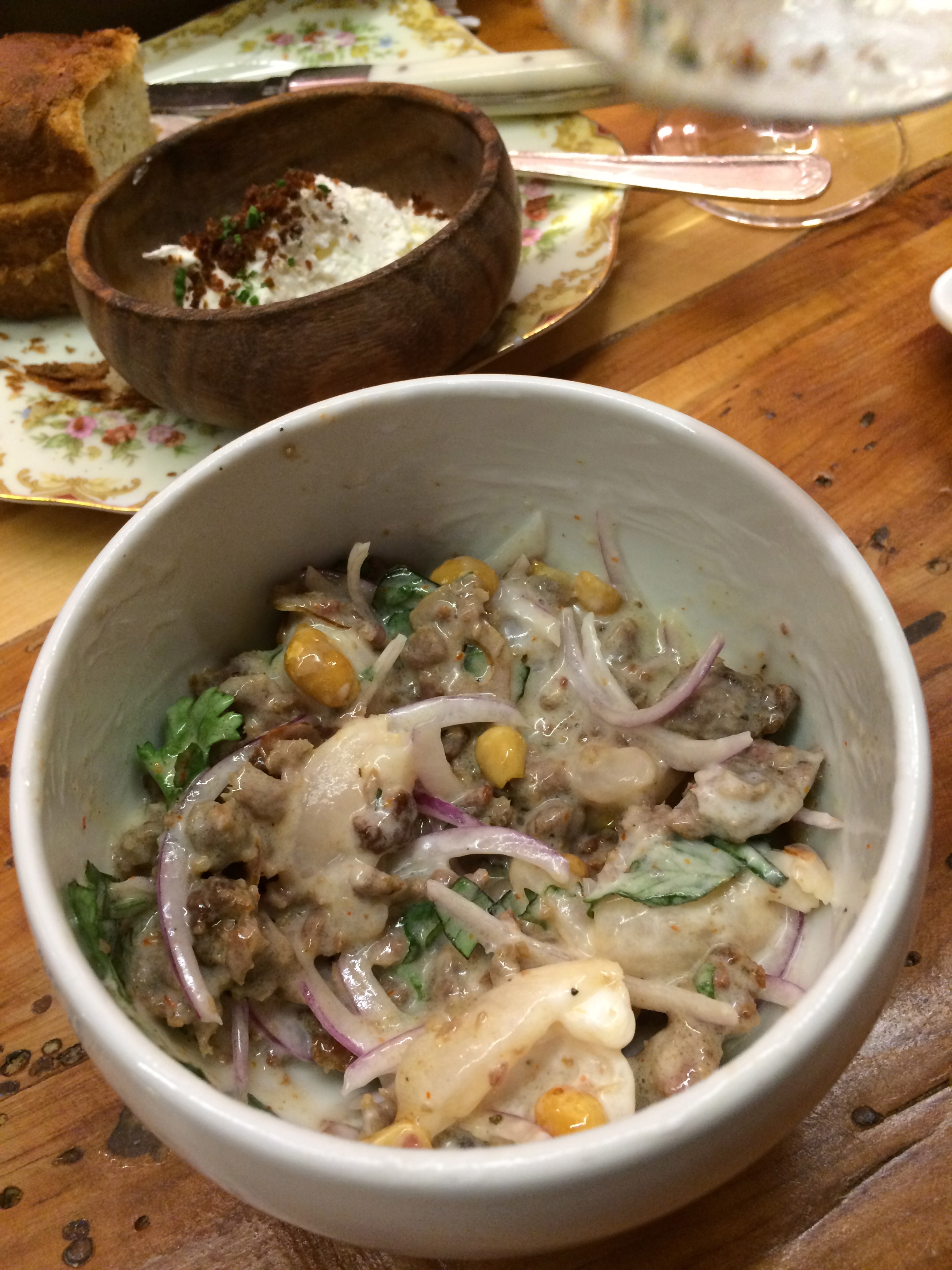
Rose’s Luxury in the Barrack’s Row region of D.C. has a changing menu, but the one constant is their Pork Sausage, Habanero, and Lychee Salad.  Truth be told, when I went to Rose’s Luxury, we didn’t even order it.  They had brought it to our table by mistake, but when they realized it wasn’t ours, in a classy move they told us, “It’s on the house”.  I’m glad they made the mistake.  The salad, while it does sound weird, was amazing.

It comes in a bowl with all the ingredients separated which you have to mix together.  The first scoop I ate blew my mind, it was the strangest mix of flavoring that worked perfectly.  Spicy, and sweet.  Meaty and fruity.  Soft, but a little crunchy as well.  It’s worth going to Rose’s Luxury just to try it.

Pork Sausage, Habanero, and Lychee Salad


Portland, Oregon

A few weeks ago I was out on the west coast for work and decided to take an addition few days to visit Portland, Oregon while I was out there.  Having heard a lot about the little city’s hipster vibe and seeing episodes of Portlandia here and there (pun intended), I figured a weekend trip to see what it was about was in order.

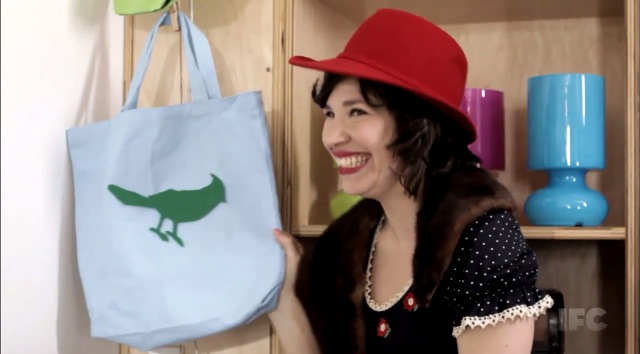
Didn't see those birds...or Carrie Brownstein.
Didn’t see those birds…or Carrie Brownstein.

Portland definitely lives up to a good amount of the stereotypes that I’d heard – lots of plaid, very relaxed/outdoorsy people, dogs everywhere, and a pretty good food scene for a small city.  Sadly though, I didn’t really see that many “bird” things – another one of those Portlandia inside jokes.

Portland is a great weekend trip, but I wouldn’t go out of your way to fly out there from the east coast unless you plan on doing an entire west coast thing.  The city is easily walk-able since the main part of the city you’d want to see is about a 3 square mile area, or you could travel around using the very convenient (and dog-friendly) $1 streetcar.

Here’s a rundown of the highlights:

Deschutes Brew Pub/BridgePort Brewing/Rogue Distillery and Public House

Deschutes Brewery
Deschutes Brewery

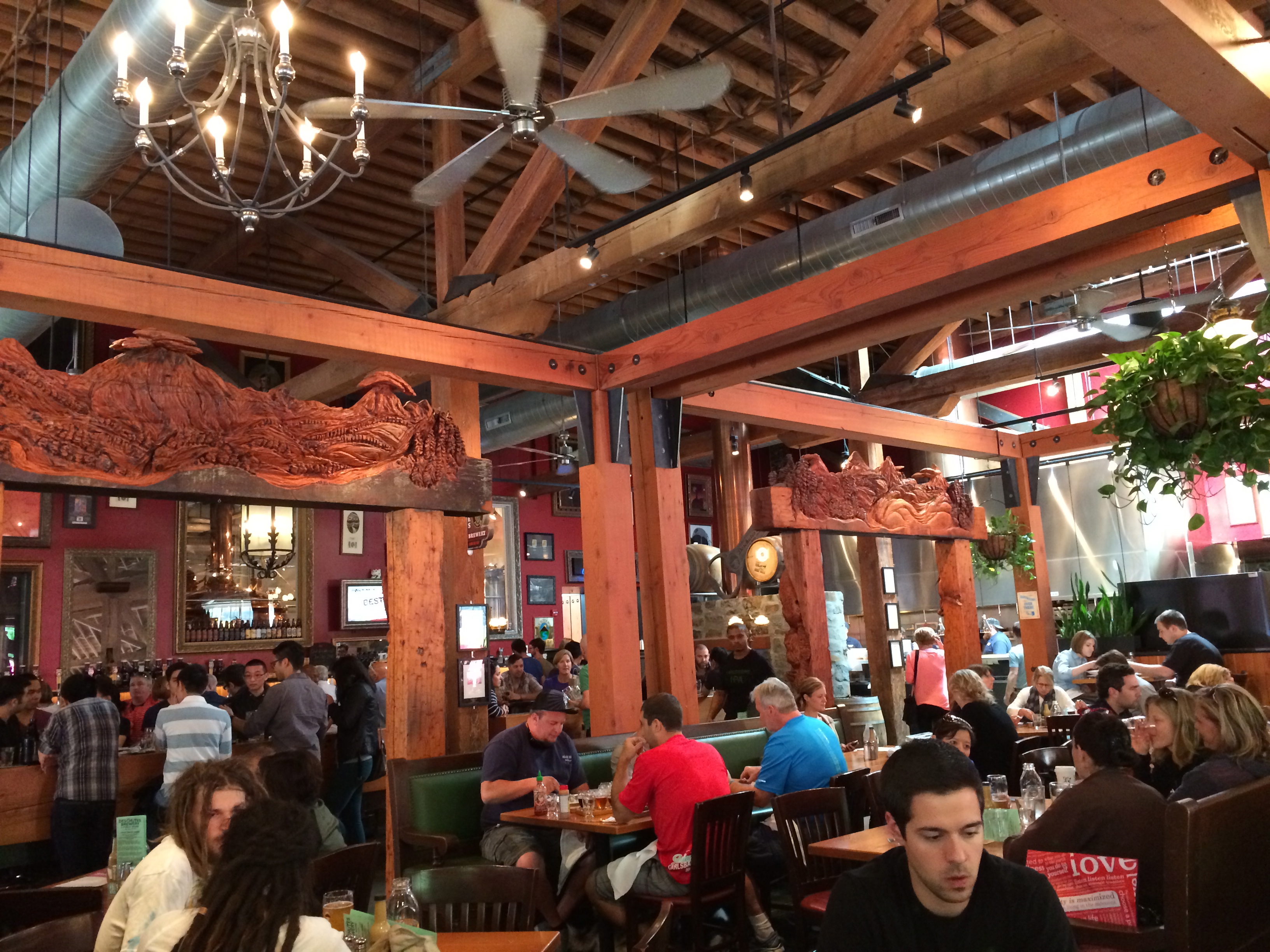
The city is so jam packed full of microbreweries that you can easily spend a day just brewery hopping.  Deschutes was my favorite.  The vibe was lively, the space was rustic/hipstery/laid back with a ton of natural lighting.  The beer flight at Deschutes I thought had some of the best samples (but that of course is entirely my own opinion) and they had a very “earth” friendly menu which included a fantastic pear and goat cheese pizza.  Also, you can stop by Powell’s City of Books afterward – the most ridiculously large bookstore I’ve ever been to. Second favorite was BridgePort, which was a little more modern, almost a little more chain-y, but still a very good beer selection (not as robust as Deschutes though).  Try the pretzels there as well.  And Rogue came in third, not because the quality was bad.  Far from it.  It may have just been a victim of the drank too much and didn’t know what was happening by the time we got there scenario…

Portland Japanese Garden/Rose Test Garden/Nob Hill shopping

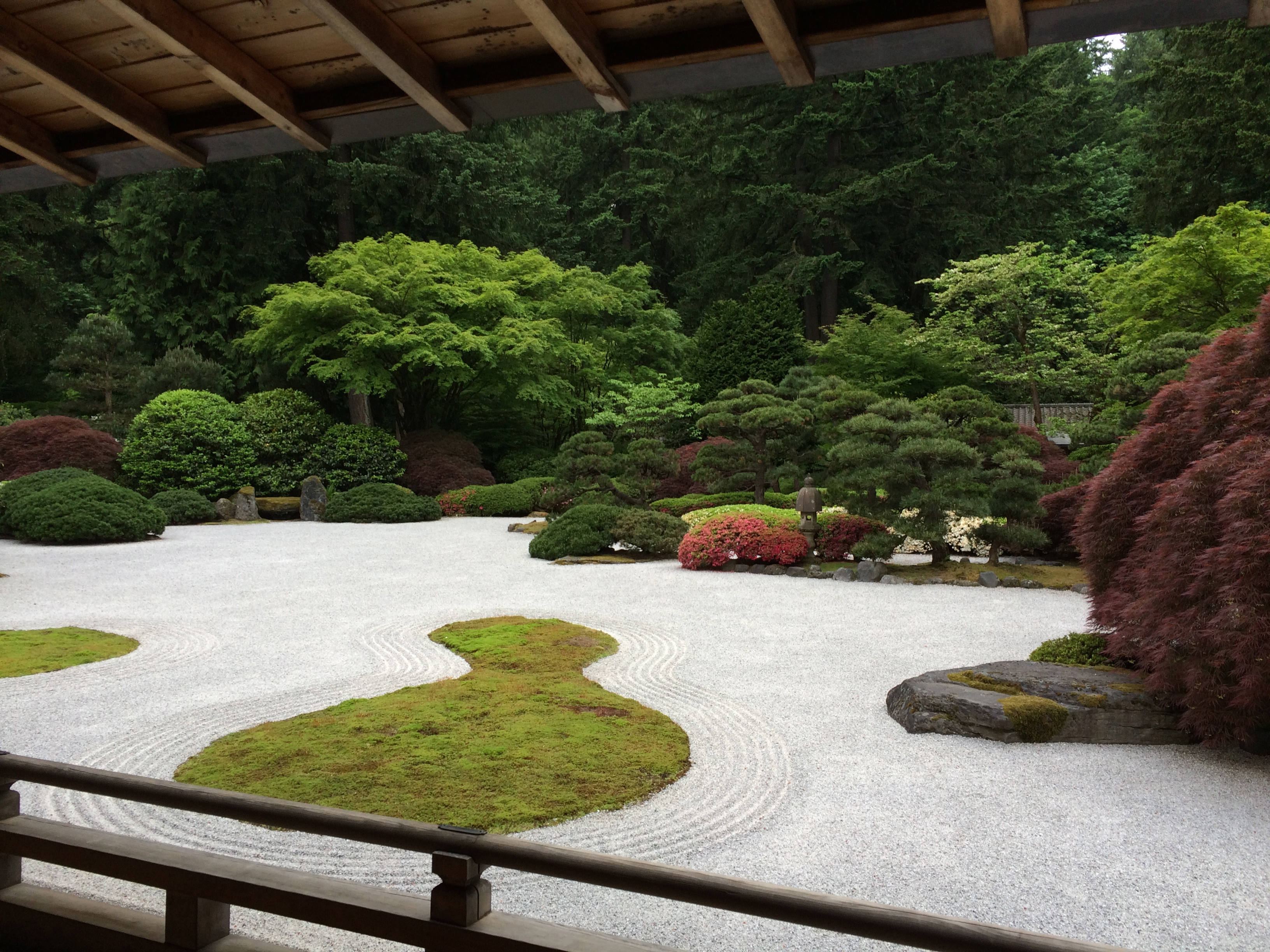
Japanese sand garden

To the north and west of the downtown districts of the city resides these beautiful outdoor landmarks of Portland.  It is totally random but at the same time totally makes sense that Portland would have these outdoor, serene, lush floral parks with no sign of urban life a few blocks away from the bustling city.  Adjacent to one another, the Japanese Garden is probably worth visiting before the Rose Test Garden since there is an admission fee (you’ll want to make the most out of your money).  Tip – if you do go during the last half hour it’s open, they will waive the standard admission fee and let you pay what you think is fair for the last half hour.

Strolling Pond garden

The Japanese Garden is like walking into a zen paradise – the waterfalls, rock sand gardens and lush fauna and flora really offer you an indescribable relaxation feeling.  You could just do nothing but sit and be happy in there.  The Rose Test Garden down the path is more like a public park with rows and rows of different species of roses from around the world.  It is also very nice, but not as serene with all the activity of people playing Frisbee, taking wedding pictures, etc.  A large amphitheater is located next to the Rose Test Garden as well where couples and families can lounge around or picnic.

Additionally, this was unintentional on our part because we got lost, it’s worth finding your way to the Oregon Holocaust Memorial down the street from the two parks.  While it’s obviously a somber place, it’s something you won’t regret viewing.  Once you’re done with the gardens (or before you go) you can easily walk down into the Nob Hill district to do some boutique shopping and grab an ice cream at Salt and Straw.  Try as many flavors as you want, they’re very generous with their samples because their flavors are so unique.  They also offer an ice cream flight.

Portland Saturday Market/Voodoo Doughnut

Portland Saturday Market

If you go to Portland on the weekend, check out the bustling Portland Saturday Market.  Rows and rows of tents hold different arts & crafts, beer/cider tastings (if Atlas Cider is there, give it a try), local clothing, etc. for you to meander through.  There are also several of the food trucks that Portland is known for there, and I would highly recommend the Greek gyro truck.  When we were there, various street acts were also performing magic and doing other weird…things…(not sure how else to describe a man putting his body through a tennis racket while juggling swords)

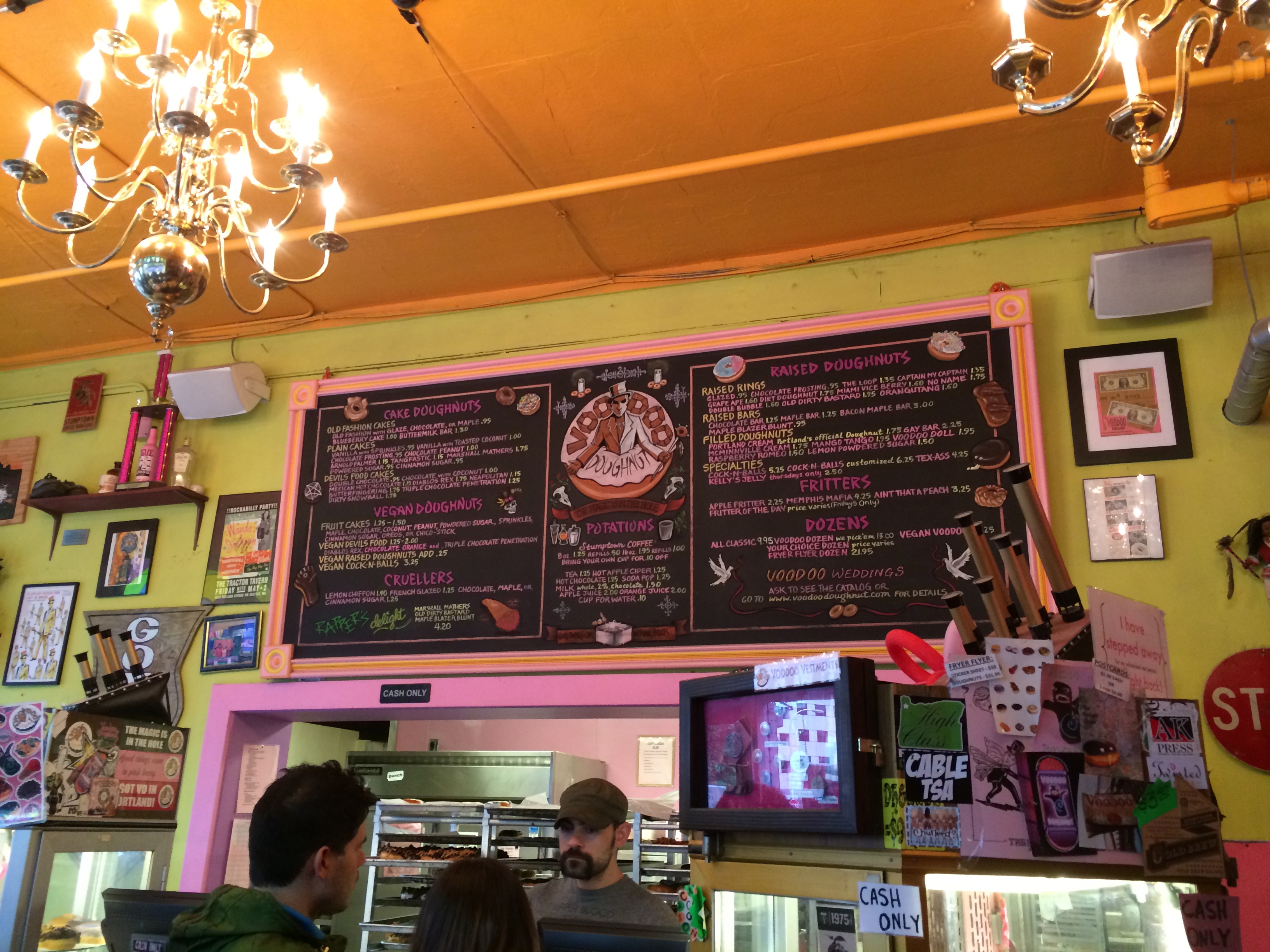
Near the Portland Saturday Market is the famous Voodoo Doughnut shop.  It’s open 24/7 and was made famous by being on pretty much every Travel Channel show documenting Portland and featured in several others because of their unique doughnuts and unmistakable pink boxes (No joke, I was accosted by 9 different people when I brought a box back to D.C. asking if they could have one or in the case of one business traveler telling me “You brought that from Portland?  That is f**king awesome).  The line will be long – be prepared to wait.

Mmmm...donuts....
Mmmm…donuts….

I suffered that cognitive dissonance that traveler’s often face.  I wanted to visit Voodoo because it was so well known and a “Portland” thing to do.  On the other hand, living in D.C., I hate seeing the long-ass line outside of Georgetown Cupcake and the stupidity of waiting in line for an hour for – a cupcake.  So, we were being those people.  Fortunately for us, we stopped in at a down hour (4 PM on Sunday) so the line was only about 15 minutes long (it can be an hour during peak times).   The doughnut list is so extensive, we just got a dozen of the “Employees Choice” where they just pick good ones for you.  Tip: While I still recommend the Employees Choice if you can’t make up your mind, be sure to get one of the Voodoo doll doughnuts.  It’s a doughnut shaped like a little man with a pretzel “pin” stabbing it.  Our cashier didn’t put one of those in our box and I was sad.  Also, the place is cash only.

Mother’s Bistro and Bar

If you’re in the mood for brunch, check out Mother’s Bistro for a meal.  There’s nothing there out of the ordinary, but the food they’ve got is crowd pleasing and filling.  I’ll also give a nod to their service – they live up to the “It’s all about the love” slogan.  When we asked if we could have a couple of the biscuits that were part of other meals as an addition to our meal, they happily brought them to us free of charge (they probably would have sold at Starbucks for like $5 each because of how huge they are).  The biscuits (and the blackberry jam it comes with) are legit awesome, with our waitress calling them “just plain stupid good”.  The owner/Chef Lisa also came around to greet us and every other table to see how everything was.


Chicha Arequipa

Chicha Arequipa
Calle Santa Catalina 210 inside 105
Arequipa
Tel: (51) (54) 287360

Gaston Acurio is one of the premier chefs in the world and is credited for helping bring Peruvian cuisine into the modern era.  His famous restaurant is La Mar in the Miraflores section of Lima, where we tried to have a holiday dinner.  Regrettably, that restaurant was closed for the entire week we were there which was definitely a bit of a disappointment considering pretty much everyone and their mother recommended it.

So when we arrived in Arequipa, much to our delight we discovered that one of his other restaurants was open.  It wasn’t the flagship venue, but the folks at our hostel said it was excellent regardless.  This place would easily turn out to be the best meal we had in Peru (in my opinion) – and the worst, in a way, as it ended in a bit of a disaster unfortunately.

We made our way over to ChiCha (it was only a few blocks from our hostel) and we could tell immediately that our dining experience here would be a cut above the norm.  The restaurant’s ambiance has a relaxing courtyard feel, with a smart casual dress code and a friendly staff.

The meals there are pricy, but won’t break the bank.  I’d consider it one of those “let’s have a nice dinner tonight” treat after all the hiking and street cuy you eat.  After the pisco tasting in Cusco, I was more than happy to try a few more pisco drinks on their extensive pisco menu.

The lomo saltado that my sister ordered was the best one I had in Peru, perfectly seasoned, juicy, with just the right amount of char on the outside.   Mom ordered an alpaca curry that was a little more unique, but worked really well with the quinoa side that came with it.  I ordered an amazingly tasty dish as well, the pork stew.  The stew is definitely one of those comfort foods you have when you’re famished – hearty, warm, and even comes with a bib because it is a bit messy.  But it got really messy when I made one of the bigger mistakes of my life.  The stew came with (I looked it up after the fact) a fiery rocotto pepper.  This baby was easily the hottest thing I’ve ever eaten, and not thinking first, I took a giant bite out of it.  My body shutdown.  The burn was intense.  After about 10 minutes of heavy breathing and 4 glasses of water it calmed down a bit, but I legitimately struggled to finish my meal.

Despite the dracarys (Hi Game of Thrones fans) attack on my innards, the stew was actually really, really good.  But as I alluded to earlier, a bit of a disaster struck because of the meal – and I don’t mean the heat from the pepper.  Shortly after dinner, I fell victim to my first case of what we think was food poisoning.  We’re pretty sure it was from the pepper, since it was the only thing that I had eaten that my Mom and Sister didn’t try.  So that rocotto was just the gift that kept on giving for the next few days…

I’ll leave you with this tip: Whenever you travel – be sure to have or have quick access to Pepto Bismol.  It really saved me for the next part of the trip.  


Peru Part V – Last day in Cusco

Bringing our Cusco portion of the trip to a close started with a pleasant, but ultimately unnecessary bus tour in the morning and spending some more time independently checking out some of the remaining sights.

Centro de Textiles Tradicionales del Cusco Store & Museum
Avenida Sol 603
Hours:
Monday-Saturday: 7:30 a.m. – 8:30 p.m.
Sunday: 8:30 a.m. – 8:30 p.m.

This was one of the sights at the top of my list coming to Cusco, but I may have hyped myself up a bit much.  Not to say it wasn’t interesting and a great value (the museum is free), I was just a bit underwhelmed.   The showroom is what you walk into when you first enter, so make your way to the back and the left to get to the museum exhibit.  It’s pretty small, even smaller than the coca museum, but the displays are very interesting and you do get a lot of information and textile examples.  If you’re lucky, you’ll be able to see women on the showroom floor making the textiles on the loom.  The items in the showroom are very nice, but very expensive.  So unless you’re in the market for something specific, don’t go in there thinking you’ll be able to get just a nice souvenir.

Qurikancha
Pampa del Castillo at Plazoleta Santo Domingo
Hours:
Monday-Saturday: 8:30 a.m. to 5:30 p.m.
Sunday: 2:00 p.m. to 5:00 p.m.

Looming over the city of Cusco is the Qurikancha, an ancient Incan temple which was later turned into a Spanish church.  This place is another great deal at 10 soles and it’s very much worth hiring a guide for an additional 10 soles to give you a tour (the guides will be milling around the front wearing grey jackets).  The temple is a nice combination of ancient Incan structures displayed (still standing despite the numerous earthquakes due to its advanced design) and fine Spanish oil paintings depicting the standard religious scenes.  Under the field in front of Qurikancha is a museum housing more paintings, mummies, and relics (we didn’t visit this however).  Again, very few photograph opportunities are allowed here.

Mercado Central de San Pedro
Tupac Amaru

&

Cusco Artesian Market
Avenida El Sol and Av Tullumayo

A great place to find a souvenir or get a sense of the local culture is at the markets.  The Cusco Artesian Market is located near the bus stop and is mainly full of touristy items.  That being said, you can find some great textiles and cheap finds for gifts to bring back.  Walking up and down the vendors was surprisingly a pleasant experience.  Unlike the shitshow souqs in the Middle East, the vendors here are very friendly and respectful.  They’ll approach you and obviously ask if you were interested in seeing anything, but will leave you alone and drop back with a smile if you decline; much more polite and not pushy at all.

Now if you want to see something really crazy, check out the Mercado Central de San Pedro.  Not only will you have the usual offerings of vegetables, fresh juices, breads, and souvenir items like at the Cusco Artesian Market, but you’ll get to straight up see butchering of llama and alpaca (there was a dude with a f**king axe hacking away at the body of an alpaca or whatever.  I too frightened to take a picture of him).  The smell of blood definitely made my stomach turn when I first walked it, but the sensation did go away after a while.  Making sure that we weren’t just being nosy outsiders looking in, we started to chat up one of the llama head sellers and she was surprisingly very friendly and open to answering our questions.  Definitely a deceptively cool place once you get over how shady and dirty it looks.

La Cusquenita restaurant

Looking for a good local place to eat in Cusco, we asked our guide from the Machu Picchu trip for a recommendation and he said La Cusquenita was a great place to have a taste of what the locals eat.  I hate to say, it was not very good and I would not recommend going there.  Granted, you get a TON of food for the price, but the food was kinda gross.  Especially nasty was the cuy that they served which was dry and had a nauseating licorice spice.   I’m not going to even bother with the address and hours of operation, but if you’re near the Cusco Artesian Market and you see this place, I’d probably recommend trying somewhere else.   (In fairness, it seems like on TripAdvisor the majority of the folks do like it and had pretty good things to say about the dinner and show.  Since we were there at lunch, perhaps the dinner time experience is a bit better.)

This slideshow requires JavaScript.

Peru Part IV – Pisco tasting and the Inca Museum

After our trek to Machu Picchu we spent another couple days in Cusco to take in what the charming little town had left to offer.  We came back to Cusco on Christmas Eve, and we discovered that our previous concerns about the possibility of nothing being open because of the holiday were completely unfounded.   Let me tell you  – don’t worry about things being closed when visiting Cusco during the Christmas holiday.  The place was hoppin’.  Crowds and crowds of people were in the streets, restaurants had patrons coming in and out all night, and people were setting off fireworks like it was a war-zone (This was no joke; through the night our hotel room would vibrate with what sounded like shotguns being fired on the street).  The Peruvians know how to party.

Here’s a rundown of a few more of the things we did in Cusco:

The four types of pisco: Aromatic, Non-Aromatic, Mosto Verde (partial fermentation), and Blend.

Museo del Pisco
Calle Santa Catalina 398 | corner with Calle San Agustin
Open everyday 11:30am – 1am
Kitchen is open from 12pm – 3pm & 6:30pm – 11pm
(with several plates available outside of hours)
info@museodelpisco.org

If there’s one thing you must try, it’s a pisco tasting at the Museo del Pisco.  The name is a bit of a misnomer, the place isn’t really that much of a museum and more of just a bar.  If you’ve never had pisco, this is a good place to become educated in the national beverage.  The menu boasts an overwhelming amount of pisco – much like a wine or whiskey list. I decided since I knew absolutely nothing about pisco, I went with the tasting (40 soles for one, 60 soles for two).

Pisco tasting with Sergui

Now in the US, tastings usually come with 4 or 5 glasses and you sample a bunch of different types of beer, liquor, whatever.  When I ordered the tasting, little did I know it would come with a personal pisco sommelier.  My sommelier’s name was Sergui, a clean cut, well groomed/dressed Russian guy who gave me the complete rundown of pisco.  He was amazingly thorough, especially after my response to his question “What experience do you have with pisco?” was “I’ve had some pisco sours in college…”  He was extremely passionate about the liquor and clearly loved his work and answering questions, which made the experience that much more enjoyable.

Even if you don’t want to try it (because that s**t is strong), the Museo del Pisco has a variety of other beverages, a fun vibe, with good live music (to my delight they played Pearl Jam’s Even Flow during my tasting) and a friendly staff. This is a highly recommended visit.

Museo Inka
Cuesta del Almirante 103
Hours:
Monday – Friday : 8am – 6pm
Saturday and Holidays: 9am – 4pm

Museo de la Coca
Calle Palacio 122
Hours:
Monday – Sunday:  9am to 8pm.  (Free on Sunday)

Little Inca man.  Notice the bulge in his cheek?  He's chewing on coca leaves.
Little Inca man. Notice the bulge in his cheek? He’s chewing on coca leaves.

As far as actual museums go, we stopped by a couple.  Both were 10 soles, but one was way better of a value than the other.  I’ll start with the Museo de la Coca (Not to be confused with the Choco Museo).  We only really went to this museum because the restaurant we wanted to have lunch at wasn’t open yet and they were offering free visits for the holiday (it’s normally 10 soles).  It’s a neat little museum that provides a nice look at the history of coca and its cultural impact.  You could probably do the museum in an hour or so if you take in each display, and I actually really enjoyed reading the mythical history of how coca became a part of Inca culture.  I wouldn’t say this place is a must-see, but in the end, if you really want to visit it and you’re in the area, 10 soles really isn’t that expensive.

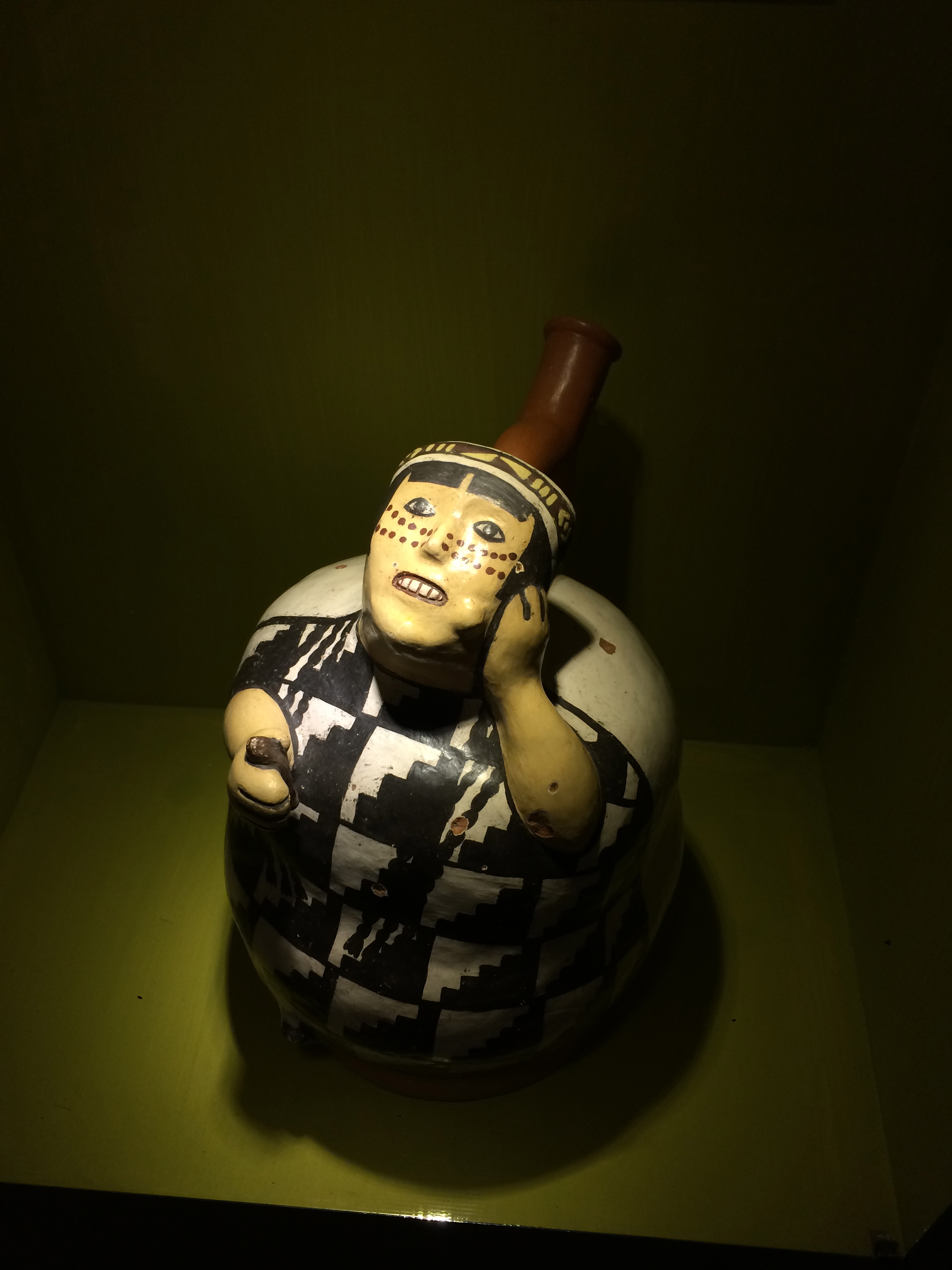
However, if you compare it with what 10 soles will get you at the Museo Inka, you’ll see the drastic difference.  Museo Inka at first glance really isn’t anything to write home about.  In fact, when you first walk in and look at the first few exhibits, the initial reaction will be, “Well this place is an effing rip-off”.  Don’t let the first couple of rooms fool you.  Once you head up to the second floor, the museum is way nicer and jam packed full of amazing artifacts.  The museum walks you through the history of Peru with displays containing Peruvian tools, pottery, textiles, ceremonial garb, weapons and gold relics.  The one really cool highlight is a burial chamber display featuring several mummies. If the weather is nice, the impressive courtyard is a nice place to relax a bit as well.  Unfortunately, like a lot of museums in the world, they don’t allow photography and I usually respect that request, so no pictures (sorry).

Peru Part II – Inca Trail and Aguas Calientes

No trip to Peru would be complete without seeing the country’s iconic ruins high up in the Andes: Machu Picchu.  There are several ways to go about visiting this legendary place.  For the adventurous backpackers, there are 3 and 4-day hikes on the Inca Trail that finish up at Machu Picchu.  For a less vigorous trip, you can opt for the option we chose:  A one day hike along the last part of the Inca Trail, a night in the small town of Aguas Calientes and a sunrise visit to Machu Picchu the following morning.

Before I get into the “good” of the trip, I want to get the relatively “bad” out of the way.  The tour company we booked our trip through was called Peru Gateway Travel – and I would NOT recommend them.  Now nothing “horrible” happened, but they were very disorganized and did a piss poor job of preparing us for the excursion.  They typically hold pre-trip briefings where a company rep comes to your hotel and goes over what you’ll need to pack, where to be, details, etc.  However, in our case, we were directed to a random address in Cusco to find for ourselves, and relatively late at night.  The thing is: they gave us the wrong address. So my family, while suffering from altitude sickness, was left wandering around a city they don’t know in the dark.  When they got back to the hostel, we had the hotel manager call the company (who gave them an earful) and a representative eventually showed up.  The next problem was that the kid they sent barely spoke English and thought we were going on the 4-day hike.  He was going over all the wrong details, and had no idea what details we needed to hear.  So we ended up bringing way to much of the wrong items for our hike, and all along the way didn’t really have any clue at any given time if we were in the right place or not.

So long story short, like I said, while the hike wasn’t horrible (our guide, Diego, was actually quite good), I’d recommend working with a more organized group.  Now that that’s out of the way, let’s get to the trip itself.

We took the Peru Rail to the 104 KM point of the Inca Trail.  The train ride took about 3 hours from Cusco and was surprisingly comfortable.  We got of the train and our guide Diego* commenced to take us on our hike.  Going back to how bad our prep was, we were seriously over-packed so here’s are a few tips:

-Take only what you know you’ll NEED and not what you might need.  Figure out if water and/or food will be provided in advance.
-If you’re getting a travel company to put this together, they’ll probably provide a bag lunch.  Leave extra room in your backpack for that so that you’re not carrying around a one pound plastic bag full of food  on the Inca Trail.  Trust me, it’s super annoying after about 200 meters.
-If you’re not in the best of shape, or would have trouble walking up to the 15th floor of a building at any given point, I’d suggest having a walking stick.

The hike itself is moderate to very challenging at points, including one steep section the locals call the “Gringo Killer”.  You’ll also want to make sure you’re good and acclimated before you go.  Coca leaves, which Peruvians/Incans have been using for centuries to help with altitude sickness, might help you.  But even if they do, it’ll only provide a small amount of comfort.  Once you get going, take the time to enjoy the beautiful mountain ranges, hundreds of different types of orchids along the path and and the unmatched feeling of breathing in the fresh, clean air of the Andes.  Part of the way on the trail we stopped at Winay Wayna, an ancient Incan ruin built up along the mountainside.  This location provided a great place to sit back, relax and enjoy the view.

The end of our hike concluded at Machu Picchu, but we only did a quick look since it was towards the end of the day and we would be going to be back the next day at sunrise.

For our evening stay, we made our way down to Aguas Calientes, the teeny, tiny town at the bottom of the Machu Picchu mountain.  This town really isn’t worth visiting on its own unless you’ll be at Machu Picchu for two days.  The town is very touristy and is full of hostels, touristy restaurants, an unbelievable amount of massage parlors, and a ton of backpackers.  Despite the touristy-ness, the town is cute and not a bad place to stay for the evening.  Here’s where we stayed and ate:

Hostel Chaska
Alameda los artesanos #209
Urb. Las Orquideas,
Machu Picchu, Peru
974 789818
chaska_machupicchu@hotmail.com

The hostel we were put up in was Hostel Chaska which was a perfectly good, above average hostel.  Clean and no nonsense.

Chaska Restaurant
It was “eh”.  Full of backpacking groups and a basic menu of steaks, chickens, and other normal peruvian fare.

Inka Wasi Restaurant
Another “eh” restaurant.  Clearly you’re not going to have fine dining in Aguas Calienetes.  I did try one of the dishes here that I heard I had to try called Cuy, otherwise known as Guinea Pig.  Again, it was “eh”.  Kind of annoying actually.  I’d say it’s worth trying for the amusement of seeing a whole guinea pig (head and all on your plate), but it’s like eating shitty crabs: it’s a lot of work to get to just a little bit of not that great meat.

Cafe de Paris
Actually a pleasant little place to take a load off and have a latte and croissant.  The owner is actually French and you can tell he’s really into his baking (we asked him about the ingredients) which uses Peruvian spices along with European ingredients.

*Diego has been a Inca Trail guide for over 15 years and has hiked the Inca Trail hundreds of times.  His rate to guide a 4-day hike is $500.  So if you are ever interested, contact me and I will send you his email address.

This slideshow requires JavaScript.