Elephant Village

One of the key activities we had on our list for things that had to be done during our trip was to get an elephant ride in.  Booking this trip was done through our guy Mr. Un at the hotel.  We specifically wanted to go to the Elephant Village because this sanctuary is government run and the animals are treated humanely, unlike at other places in SE Asia (and the world for that matter).  They offer full, half, and two day tours; we opted for the half day tour (as we were going to see the Kuang Si Falls in the afternoon).  I apologize that I don’t have the price because we put together a package for the Elephant Village and the Kuang Si Falls that had a negotiated price.  However, it’s Laos and the price for the Elephant Village is most likely going to be pretty good for you no matter what option you want to go with.   Getting there requires a bit of a trip, it’s about a 30-minute drive from Luang Prabang.

The elephants are as cool as you think they would be.  These creatures slowly roam around the sanctuary, allowing visitors to come up (do this with caution of course) and feed/pet them.  The Village only keeps females around as the males can tend to be lazy and/or aggressive (sounds like another species we know, right?).  After a short orientation, you begin your elephant ride with a designated mahout (the elephant guide).  It’s a much more relaxing and enjoyable experience than a camel or horse because the elephants are so big and slow.  The elephants can fit two people on their backs along with the mahout up on their necks.  The convoy of elephants walk around the village, through a river (which was the coolest part) and back up around the town.  During the ride, each person is given the chance to ride on the front on the neck and the guide will climb off and take pictures.  Trust me, it’s a little unnerving at first riding on the animal without a guide, but you quickly get comfortable with being on her.

After the ride, the tour takes you on a traditional Lao long boat to Tad Sae Falls.  Tad Sae Falls itself is like the less impressive version of Kuang Si Falls, which we will be going to in the next post, and it was even more so not impressive because there was no water from it being the dry season.  But the main highlight of taking this side excursion was not the falls, but to see the baby elephant and to get a chance to bathe with an elephant.  The baby elephant is adorable; they keep him in a pen with his mother.  You can’t help but think of the little guy as Dumbo.  He’s playful, curious, and from what our guide says, very mischievous.  We were warned not to get too close because he had a habit of stealing cameras.  We were also warned that if we get too close or too touchy, the mother would get really pissed.  That being said, it still didn’t stop anyone from giving the little guy’s trunk a pet when he reached out of his cage for us.

The tour also offers an option to bathe with an elephant.  Do it.  Bring your bathing suit and pay the extra $30.  You’ll sit atop the elephant while it goes into the river and plays around.  The guide will also give you a bushel of bananas to feed the animal as reward for diving under and cooling everyone off.  It was such a fun experience, and not one that I’ll soon be able to do again any time soon I’m sure.


After our elephant bath time, the long boat takes everyone back to the main camp and the Elephant Village provides its guests with lunch.  For those that book the full day tour, they stay to learn how to be a mahout — the practices, commands and such.  For us, we headed our way to Kuang Si Falls, one of the signature sights of SE Asia.  That’s next up on Here and There Travel.

Wat Xieng Thong, Phu Si Hill, and the Night Market

After we decompressed for a little bit at Le Bel Air, we made our way across that freakin’ bridge and headed into town.  The walk to the main part of the town is about 15 minutes.  Our destination was Wat Xieng Thong, which is one of the key wats in the all of Laos.  It’s at the further end of the town, so don’t mistake one of the many wats you’ll pass by for it (we were fooled once and walked into the wrong wat).

Once we did find Wat Xieng Thong, the admission is 20K kip.  Unsurprisingly, the wat is a peaceful, zen-like monastery with several shrines featuring a multitude of gold Buddhas.  Monks, in the traditional orange attire, mill around and go about their day-to-day tasks.  It does feel a little strange as a tourist to essentially be wandering around their residence, but the monks we encountered seemed used to the scenario.

After Wat Xieng Thong, and a quick stop for a croissant at Le Banneton Cafe (Laos is known for their bakeries from their time as a French colony), we walked down along the Mehkong River and headed toward Phu (or Phou) Si Hill.  You should try and time this walk a little before sunset, the views along the river at that time are amazing.  It’s like something out of a movie set with the mountains, fisherman, and monks along the river’s sandy beach.

We reached Phu Si Hill along with everyone else a few minutes before sunset.  This is probably the only time Luang Prabang felt really touristy, but even then it wasn’t so bad because most people kept quiet at the top to enjoy the view.  The climb up is rather challenging, but doable, and it costs 20K kip to ascend to the top.

Once you get to the top, it’s inevitably going to be crowded, but people were pretty polite and quietly sidestepped all around to get out of the way of people taking pictures.  The sunset is a sight to see and is probably one of the must-do experiences of Luang Prabang.


When you’re done with the sunset, by the time you reach the bottom you’ll literally be right on top of the Night Market.  I cannot say enough about how impressed I was by this market and how enjoyable of an experience it was.  The market sold the typical touristy souvenirs and such, but the ambiance was like no other market I’ve been to (and I’ve been to quite a few).  It was so quiet; you couldn’t hear anything louder than whispers.  The vendors were all sitting politely, not in your face or loud, and their goods were all so neatly laid out we almost felt bad picking up the products and disturbing their presentation.  For the backpackers, the Night Market offers a 10K kip street buffet dinner (remember $1 = 8K kip) which was packed with hungry young people.  This market ended up being where we did the primary amount of shopping for folks back home based solely on the comfort at which we were able to shop.

For dinner I would recommend stopping in at Coconut Garden, located at the end of the Night Market (that is if you don’t do the street buffet).  Coconut Garden is a Lonely Planet selection and the guidebook lives up to their usual standards when it comes to food choices.  The restaurant offers both meat and vegetarian tasting dishes on top of their usual menu.  We orders a veggie tasting menu along with the Laos signature Steamed Mehkong Fish in Banana leaves and a Chicken/Vegetable Fried Rice w/ Fried Egg.  After that, we grabbed a beer across the street at a great little bar called Tangor to people watch before heading back to The Le Bel Air for some patio beers to finish up the day.

Luang Prabang, Laos

Our next stop was the country of Laos to a little city called Luang Prabang.  If you’re heading there from Bangkok, leave plenty of time to get to the airport and deal with all the flight check in and security (2-3 hours).  The flight is only a few hours and remember to bring cash for the arrival visa ($36).  You’ll also need a photo for the visa which you can either bring with you or they’ll copy one out of your passport for $1.

You’ll immediately notice the difference between Luang Prabang and Bangkok as you drive away from the airport.  Luang Prabang is less busy, less modern, and noticeably more peaceful.  The people are also more friendly, and not in the way that they’re trying to sell you something.  They have more of a quiet politeness that isn’t overbearing, but accommodating at the same time.

Of the three countries, Laos was hands-down my favorite part.  It’s impossible not to feel relaxed in the zen-like ambiance of the town.  It’s a backpacker’s paradise, and while there are tourists there, it’s not overrun with them.  And those tourists that are there tend to be the hippie, mix in with the culture type.  With the 11 PM curfew in the country, there isn’t a huge draw for the spring break party crowd.  Note: The curfew doesn’t mean that you can’t be outside past 11 PM.  It just means that businesses have to closed by then.

Businesses and people in Laos accept Thai baht, but it is a little bit of pain, so try and use whatever baht you have quickly and head to the ATM.  The Laotian money is the kip ($1 = 8,000 kip).  It’ll probably take you a little while to get used doing conversions with thousands at first.

Our hotel was The Le Bel Air Resort.  This is place is really nice; we arrived to a refreshing cold towel and lemongrass tea.  Located a quick 10-15 minute drive from the airport, the Le Bel Air sits on the bank of the Nam Khan River.  The resort itself is made up of several bungalows of varying sizes depending on what you want to pay for, but all the options are very affordable.  And while the bungalows themselves look rustic, they’re actually quite modern.  Each are equipped with A/C, HD TVs, and patios overlooking the river.  The hotel offers free shuttles to the center of town as well as free bikes to borrow.  The service there is also exceptional.  We essentially had our own personal staff member, Mr. Un, who was attentive and helpful.


Getting into town is quick, it’s about a 15 minute walk, but there is one drawback to The Le Bel Air.  In order to get to town, you have to cross a very scary, rickety wooden bridge.  The center of the bridge is for bikes only, and the pedestrians have to walk on the side.  It’s a straight-up Indiana Jones crossing.  I’m not afraid of heights, but this bridge is very unnerving (especially at night).  The planks aren’t very stable and will move when you step on them.  Here’s a little video to show you what the walk is like:

Bamboo bridge
Bamboo bridge

Alternatively, there is a bamboo walking bridge that you can cross, but it costs 500 kip, and is only available during the dry season when the river is low.  So as much as I hate to say this, I would recommend staying at a place closer to town if you don’t like heights.  Again, I hate to say that because The Le Bel Air is such a nice place and the hotel does offer a free shuttle, but that is a bit of pain because the shuttle isn’t run regularly and it has to take a major detour around the river to get to the center of town.  So from a time-saving standpoint just walking to town is a lot quicker and easier, but a lot of people would not be comfortable with that bridge.

My next few posts will cover the sights and sounds of beautiful Luang Prabang, including elephant riding, Kuang Si falls, and rice whiskey tastings.


Video: The Great Barrier Reef

Finally!  I was able to get the underwater camera pictures/videos from the Great Barrier Reef uploaded from the camera memory card.  So as a break from the SE Asia posts, I present to you the scuba diving experience that was offered by Reef Experience out of Cairns, Australia.  I would highly recommend the Reef Experience tour.  It was well run, had enthusiastic and patient dive instructors, and offered some surprisingly good food and wine.

I truly believe that a trip to Australia is not worth it unless you go to the Great Barrier Reef, so make sure to add time for it if you’re gonna travel all the way over there.  There’s not much else to “say” about the reef, so please enjoy the videos and pictures.

This slideshow requires JavaScript.

Gaggan and Above Eleven

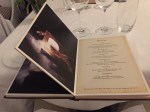
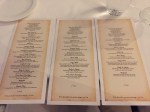
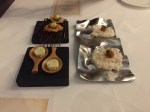
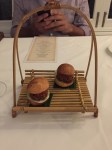
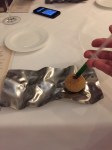
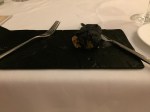
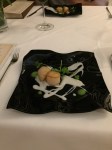
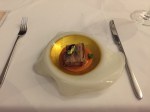
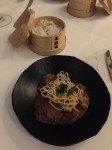
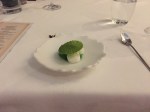
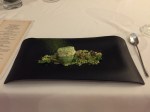
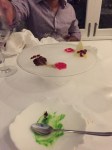
We had our first fancy dinner of the trip at a restaurant called Gaggan, which was recommended by a friend of ours.  They define their cuisine as “progressive Indian” and it’s hard to argue with that description.  Very similar to the dinner we had a Komi in Washington, D.C., the meal is various courses with each course being a bite or two of very unique and interesting flavors.  The presentation of each course was excellent as well.  The menu comes in three sizes: large, medium, and small.  We each got the medium menu, which costs 2800 baht.

Overall, the experience was great, but you’ll see as you read on, it was almost completely ruined at the end.  Here are the course highlights:

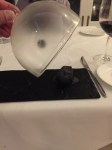
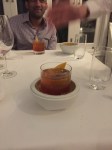
So as you can see, I cannot stress this enough: DO NOT GET THE OLD FASHIONED. It literally almost ruined what was an excellent meal up until that point.  The drink came out in a smoke filled jar, and when the cover was lifted (very dramatically by the waiter I might add), cigar smoke filled the room.  The drink tasted like an ashtray.  Biggest miss by a restaurant that I’ve experienced ever.  This place would have had an A-, but gets a B instead because of it.

So after that horrible drink, we clearly needed another.  We headed to Above Eleven, another one of Bangkok’s rooftop bars.  This one was located on Soi 11 near our hotel which made for an easy walk back.  Above Eleven didn’t have as good a view as Sky Bar, but it was a really nice place to have a drink.  The rooftop is actually 3 levels there (you need to look a little bit for the staircases which are enveloped in ivy), and the vibe is very relaxed.  The theme of the place seemed to be going for a New York City rooftop with a mix of brick everywhere, couches, white Christmas lights wrapped all around, and lounge-y jazz music playing.   Definitely a good spot to go to unwind, and was a perfect spot to enjoy our last night in Bangkok.  Coming up: On to Laos!

Chatuchak Weekend Market and Lavana Spa

Sunday morning we hopped on the Sky Train and took it all the way to the end of the green line (Mo Chit) to the Chatuchak Weekend Market (also known as JJ Market).  Again, I’d like to point out that the trains in Bangkok are very easy to use.  Get a day pass if you think you’re going to take more than two rides and just so you know there’s a 300 baht minimum if you want to use your credit card.

The Chatuchak Weekend Market is probably the second largest market I’ve ever seen (the largest being the souq in Fez).  Despite the thousands of vendors and tens of thousands shoppers, the market is surprisingly calm.  It’s here that you can get pretty much anything: art, clothes, souvenirs, plants, cow penis, jewelry, etc.  Because the market is so confusing you can get a map of it at the information booths. Be sure to bring your ATM card, which we forgot to do, so that you can get cash if needed because most of the vendors do not take credit card.  Also, it can get really hot and muggy, both inside and outside so be sure to be prepared for that.  You could spend anywhere from an hour to a good part of the day here depending on your purchasing wants/needs.

After some shopping, we decided to really treat ourselves and made our way to Lavana Spa.  Again, I feel the need to point out that no, this is not a happy ending massage parlor.  Lavana Spa is a very western, clean, classy place.  It’s here that we purchased a 90-minute Thai massage and herb treatment session for 900 baht ($30 — so freaking cheap).  Lavana Spa started us off with a cup of tea, they washed our feet and then put us in a massive zen room.  I’m not sure how big the whole place is, but the room we got was about the size of a small yoga studio.  The Thai massage wasn’t like a typical Swedish massage with oils.  The Thai massage consists more of putting your body in yoga positions and applying stretching and pressure to work out the kinks.  The herb treatment is what I think was a heated glove with steamed herbs (? couldn’t really tell because my face was in the floor) which was applied to the body to warm and relax the muscles.  It concluded with a nice bowl of vanilla ice cream (kind of random).

When you’re in SE Asia, with the cheap prices for spa treatments, you really must take advantage of it and Lavana Spa is a good place to go if you want to keep it classy.  Want anything more than that?  Just go out on the street and you’ll find someone within 30 seconds.

Bangkok Food Tour, our own Hangover @ Sky Bar, and Chinatown

After getting about an hour of sleep, we somehow miraculously got ourselves up and headed out the door for the Bangkok Food Tour.  If we had known that we’d be out until sunrise the night before, we would never have signed up for it, but since it was already paid for, we just sucked it up and marched on over.  I can’t imagine what the other folks on the tour thought of us at first when we showed up looking obviously like we’d clearly been partying hard just a few short hours earlier.  But we did end up enjoying ourselves quite a bit and despite being aggressively hungover it was real nice having some great conversations and getting to know everyone else on the tour.

However, my review of the Bangkok Food Tour is this: if you’re already typically an adventurous eater, I wouldn’t bother.  This is not a criticism of the tour itself.  Our guide was great, and like I said, it was actually amazing that we were able to get along and have fun with all the other tourists in our condition.  But for my buddy and I who are already always trying exotic foods on the menu, the food at the stops that we made didn’t really live up to what we already do on a regular basis.  But I’ll give you an overview of the tour anyways and you can decide for yourself whether or not it’s worth the 1200 baht.

The tour stops at 5 local spots and here’s the food that each offered:

  • Pig leg at a Chinese restaurant.
  • Rice Noodle in Yellow Curry with Egg, Coconut, Milk, Peanut, and Beef along with a Chicken pastry at a Middle Eastern/SE Asian fusion place.
  • Thai Salad (very spicy), Deep Fried Chicken with Lemongrass, Pork and Mushrooms at a very local, alleyway place.  This was probably the best of the stops in terms of food and getting to go to a real “local” eatery.
  • Green Custard Buns and Thai Iced Tea at a Chinese bakery.
  • Green Curry Chicken w/ Roti and Coconut Sorbet at an Indian/SE Asian fusion restaurant owned by a member of the Thai royal family who has an affinity for Indian food.

This slideshow requires JavaScript.

So like I said, it was a perfectly fine tour, but not worth it if those food options don’t “excite” you.

After that, we napped for a good while and then headed to the Sky Bar at the Lebua Hotel.  If you’ve ever seen the Hangover II (ironically, we went hungover as well), this was the bar featured prominently in that movie and in turn posters of the movie are featured prominently in the hotel’s lobby.  It is easy to see why the movie producers chose this for the film.  Bangkok is known for its multitude of rooftop bars, but I can’t imagine one with a view more spectacular than the one at Sky Bar.  From the bar you can see a solid 270 degrees over Bangkok.  We showed up at sunset and had a perfect view of the sun coming down in the West.  The drink prices are expensive, probably even a little expensive for Western standards, but this is to be expected because the clientele are all wealthier tourists.  But a drink or two is a small price to pay for the relaxing atmosphere, great view, and surprisingly not too packed bar area.  There is a smart casual dress code, so make sure to shower and change before you go.

From Sky Bar we made our way to Chinatown for dinner.  It’s here that you can really find street food central.  The chaos isn’t all that much different from a lot of other Chinatowns around the world, but the difference here is that the sidewalks aren’t for walkers – it’s for all the tables set up for the street food carts.   So essentially the road is full of cars, cabs, Tuk Tuks, and pedestrians (Keep Your Elbows In!).  I can’t honestly say for sure I knew what some of the food was that we saw, but we kept it relatively safe and tried a bunch of different carts featuring food I recognized including:

  • Roast BBQ Pork noodles.
  • Shrimp at this one cart where the cook was putting on a ridiculous fire show with his wok.
  • Pad Thai — the best Pad Thai we had on the trip.  Word of advice: look for the Pad Thai carts that throw a whole fried egg on top of the noodles.


All of this food cost 300 baht per person ($1 = 30 baht).

A couple of other quick places we stopped in on our way back to the Landmark on Soi 11.

  • Oskar Bistro: Typical expat bar with a good amount of porch seating to watch the party scene on the streets of Soi 11.
  • Levels Club:  We came in here to see what the club scene is like and this place is the place to go if you want to dance.  You take an elevator up to the second floor club consists of two floors.  Go-Go dancers perform at the front by the DJ and there are multiple bars making the wait for a drink very short.  There’s also a large outdoor porch area if you want to get away from the loud music for a bit.  Folks keep in mind, there are prostitutes lined up along the edges of the dance floor ready to pounce.

WTF – Both the name of the bar and what happened that night.

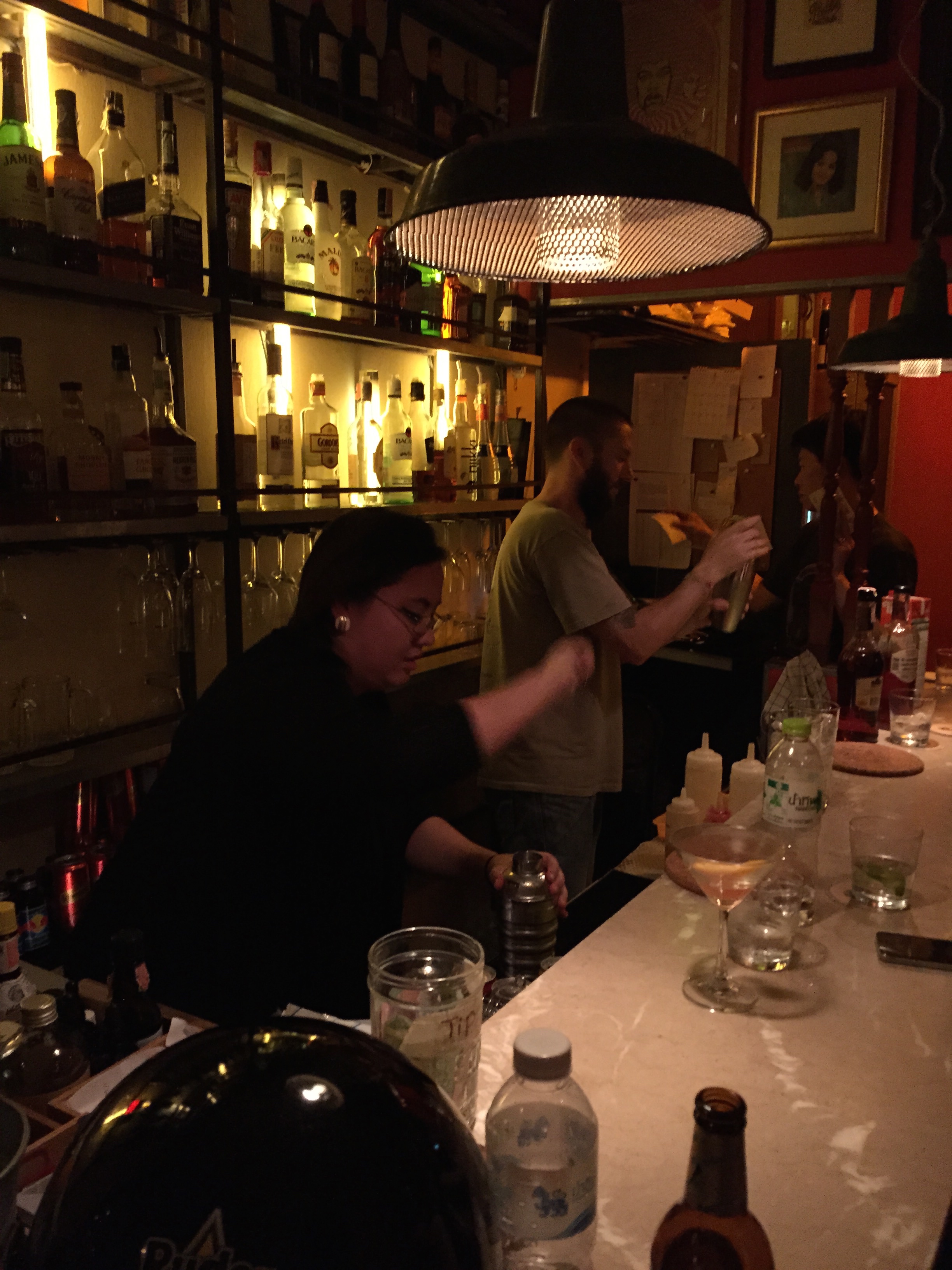
After a busy, busy day in Bangkok we headed out to see the nightlife by starting at a bar we found through Lonely Planet called WTF Bangkok.  WTF is located on Soi 51, down a relatively dead alleyway.  When you walk in, it’s your typical hipster dive bar with an art gallery on the second floor (which was unfortunately closed).   The mainly expat staff was friendly and our bartender Kris made us feel right at home recommending her favorite Thai beers and a great eggplant/eel sauce(?) dish (and I don’t even like eggplant) from the Japanese restaurant next door that caters to the WTF patrons.

Kris and Brian working at WTF.

As the night wore on, and the drinks kept flowing, we began to get really friendly with all the staff working that night, including the friends of the staff who were at the bar, and the chefs from across the street who were regular customers as well.  Thus began our one night in Bangkok (cue the Murray Head).

Needless to say, a massive amount of libations were consumed, so the memory on this one is spotty at best.  As WTF was coming to a close, one of the chef’s, Sam, made the suggestion to all go to a lady-boy bar.  This wouldn’t typically be the destination of choice for myself in any normal situation.  But this wasn’t a normal situation.  This was Bangkok.  So hell yes we were gonna go along to a lady-boy bar with the locals.

Before you get any thoughts in your head, I’m putting this out there: nothing happened with any lady-boys to me or anyone in the group.  Needless to say, the lady-boy bar was very bizarre.  The actual place wasn’t anything special; you could swap out the people in any dive bar with a pool table with lady-boys and that would be the scene.  And to be honest, the lady-boys who ended up hanging out with us were actually pretty friendly.  Even though they were likely soliciting for sex, which we weren’t going to give them, they were still fun to be around.  One of the girls in our group told us that the proper etiquette is to at the very least buy one of the lady-boys a beer, which is what each of us did.

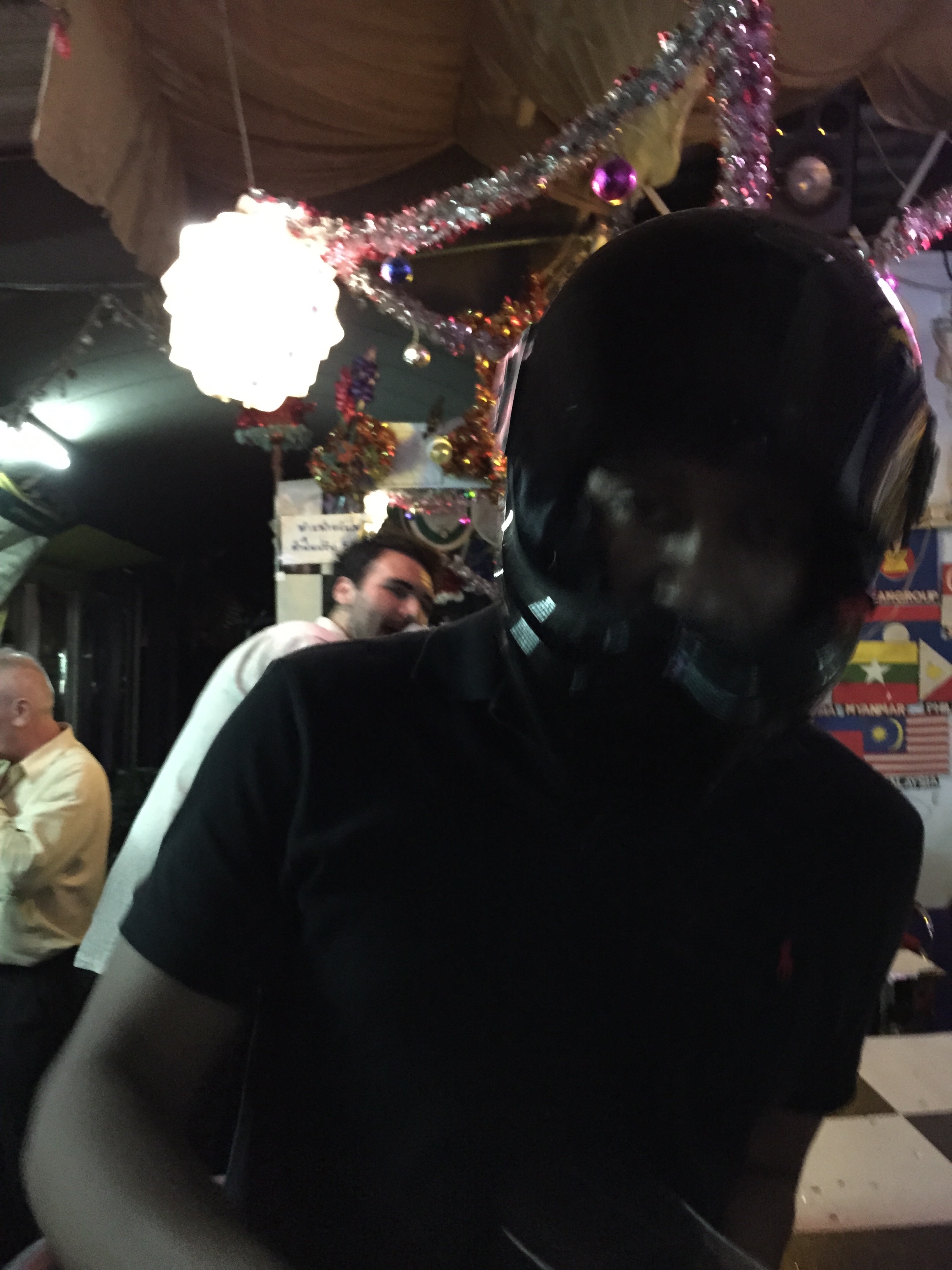
WTF is going on in this picture?  I don't know.
WTF is going on in this picture? I don’t know.

Now I’m completely comfortable with that scene, but I would not have gone to a lady-boy bar had it not been with a group of locals.  I suspect that many of you reading will never end up there.  But I’m glad I did because Bangkok is a city where the societal lines of normality are placed differently than in other parts of the world and it’s something that was worth experiencing.

The lady-boy bar did not consist of the entire night.  We also went and got fried chicken/fried beef from bartender Brian’s favorite street cart, ended up at some random outdoor bar that literally consisted of a bar table and bar stools in a random dark alley, and went dancing again in some random night club down another random alley.  Yes, there was a lot of random in the night.  And because of that, the night ended at 6-6:30 AM.  Oh yeah, and I forgot to mention that we had to be up at 8 AM for the Bangkok Food Tour.  My review of that on the next post.

Tuk Tuk – the Auto Rickshaw

A popular mode of transportation in SE Asia is the Tuk Tuk (pronounced “Duk Duk”), which is an auto rickshaw.  Generally cheaper than cabs if you can negotiate correctly, the Tuk Tuk is a fun way to get around.  But know that your heart rate will be accelerated as you ride on them.  Think of it like taking an amusement park ride without the benefit of a safety bar.  And again my mantra for SE Asia — Keep Your Elbows In!

Bangkok: The Grand Palace, Wat Pho, and Wat Arun.

After a much needed night of rest, we set off early for The Grand Palace.  Outside the palace, there isn’t a lot of good English signage to direct you to the entrance, so just follow the ridiculous amount of crowds and you’ll eventually end up at the ticket office.  Be sure to get there early, one, to try and beat the rush a little and two, if you’re in Thailand during their summer months, it will get muggy as all hell.  Another reason to get there early is to be sure you’ll be able to rent a 200 baht audio guide, which was indispensable (when we returned them at noon, they had a sign up saying they were all out).  Keep in mind you’ll need to leave a passport or credit card with them.

The entrance fee to the palace is 500 baht, and when you walk in it’s pure chaos.  Any outdoor signs that say “No Picture”, you can completely disregard because everyone else is.  However, they do crack down on the picture taking inside certain temples, so this post won’t be able to show you some interiors.  Also, there are several places where you can’t wear shoes, so make sure to have socks on if you’re there in the summer because the stone ground does get very hot.  I was also surprised by one thing.  Generally in places with no shoe policies, like the Blue Mosque for instance, the smell is pretty bad.  Somehow, that wasn’t really an issue here and I’m not sure how they got away with that.

What you’ll notice immediately is how much gold there is and how tightly packed all the buildings are next to each other.  It almost feels like you’re in an Epcot Center showcase country, but in this case it’s the real deal.  The highlights:

  • The Temple of the Emerald Buddha with its beautiful illuminated blue Buddha statue atop a golden temple.  The Buddha has 3 robes that are changed each season by the King.  The walls of the room are lavish red, white and gold murals of the life of the Buddha including a Thai version of Michelangelo’s Judgement Day.  The floor is a beautiful Italian marble.
  • Amarin Winitchai Throne Hall inside the Grand Palace displays the impressive gold throne covered by the nine tiered umbrella representing the King.
  • Dusit Maha Prasat Throne Hall gives you a closer look at a different throne and there’s a weapons museum displaying a multitudes of swords, spears and other military relics.
  • Like the British Palace, you can take your photos with a royal guard who maintains his disciplinary pose.


This slideshow requires JavaScript.

After our stop at The Grand Palace, and a quick 50 cent mango snack from a street cart, we walked down to Wat Pho.  We made the mistake of not looking at the map first before leaving the palace,  which made our walk there far longer because we left at the wrong exit.  So check to see which direction to leave from before walking out.  The entrance fee for Wat Pho is 100 baht, but it includes a bottle of water, which was very welcome in the 100 degree heat.  There are no audio guides sadly, but there are a good amount of English information signs throughout.

The main highlight of Wat Pho is the giant, and I mean giant, reclining Buddha.  It’s almost amusing to look at because you’re staring at this huge Buddha who’s laying there like he’s just chilling.  The Buddha even has a little smirk on his face I think.  The scene is far less chaotic, and it’s a bit more civilized in that they give you bags to hold your shoes in instead of having you leave them in a giant pile outside the monastery.  Keep your eye out for pickpockets.  Of all the places we went, I could see how this place is the easiest to fall victim to them because everyone is just staring up and there’s not a whole lot of space.  When you look at the Buddha, pay special attention to the feet with the 108 auspicious symbols of Buddha and you can pay 20 baht to drop coins into 108 bronze bowls in the corridor as a way to bring good fortune, and to help the monks maintain the monastery.


This slideshow requires JavaScript.


From Wat Pho we headed to Wat Arun, but before we did we just happened to stumble upon a great place for lunch (and because we were lost).  Eat Sight Story deck/restaurant is located on the Chaophraya River across the way from Wat Arun.  From there you get a spectacular view of Wat Arun and the parts of Bangkok that you can see up and down the river.  To find it, look for Arun Residences on Soi Ta Tian alley.  The food is decent enough, but it’s priced higher than most places because they know people are going to come for the view.  And the view really is worth it.

From Eat Sight Story, we could see where to take the 3 baht ferry across the river (remember $1 = 30 baht) to Wat Arun.  Sadly, the wat was under renovation so a good portion of it was covered in scaffolding.  The entrance fee here is 50 baht and again there was no audio guide.  Compared to the Palace and Wat Pho, Wat Arun is relatively anti-climatic.  That being said, the pagoda at Wat Arun is one of the more picturesque ones and the surrounding gardens make it a very calming visit after the hysteria at the other sites.

This slideshow requires JavaScript.